Blog
Diesel generator wet stacking is a common operating condition that occurs when a diesel engine runs for extended periods under light-load or no-load conditions. It happens when the engine does not reach a sufficiently high operating temperature to burn fuel completely, allowing unburned fuel, carbon deposits, and oil residue to accumulate in the exhaust system.
For standby generators used in commercial buildings, industrial facilities, data centers, and construction projects, wet stacking can become a maintenance concern if the generator is regularly operated below its recommended load range. Understanding its causes, warning signs, and prevention methods helps operators maintain reliable power generation and extend engine service life.
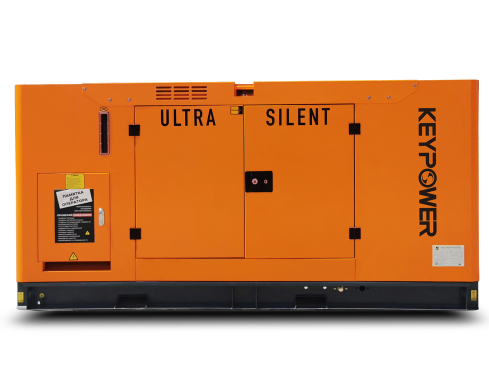
As a professional power generation equipment manufacturer, KEYPOWER provides diesel generator sets and load bank solutions that support proper generator operation, performance testing, and routine maintenance.
Diesel generator wet stacking, also known as exhaust slobber, is a condition in which partially burned diesel fuel, carbon particles, and sometimes lubricating oil collect in the engine exhaust system. It is commonly associated with diesel engines operating for long periods at insufficient loads.
Under normal operating conditions, a diesel engine generates enough heat to support efficient fuel combustion. However, when the generator operates at a very low load, cylinder temperatures and exhaust temperatures may remain below the levels required for complete combustion. Unburned fuel and combustion byproducts can then accumulate around the exhaust manifold, turbocharger, and exhaust pipe connections.
One of the most recognizable signs of wet stacking is a dark, oily liquid leaking from exhaust joints. The residue may look like black engine oil, but it is often a mixture of soot, unburned fuel, and other combustion byproducts.
It is important to understand that wet stacking is not necessarily evidence of a serious engine failure. Occasional deposits may occur under certain operating conditions. However, persistent wet stacking should be investigated because prolonged underloading can affect engine performance and component life.
The primary cause of diesel generator wet stacking is prolonged operation at a load that is too low for the engine's design and operating requirements. Several operating conditions can contribute to this problem.
Running a diesel generator below approximately 30% of its rated capacity for extended periods is a commonly recognized risk factor for wet stacking. At low loads, the engine may not generate enough heat to maintain efficient combustion.
This situation is particularly common in standby power applications. A generator may be sized to support the full electrical demand of a facility but spend most of its operating time supplying only a small fraction of that demand.
Diesel generators that are started frequently but operated for only short periods may not reach their normal operating temperature. This is often seen in backup power systems that undergo brief exercise runs without a sufficient electrical load.
Although regular generator exercise is important, simply starting the engine and allowing it to run without an appropriate load may not provide an effective operating test.
An oversized generator can operate inefficiently when the actual electrical demand is consistently much lower than its rated output. For example, a facility that requires only a small amount of standby power may install a much larger generator to accommodate future expansion or occasional peak demand.
If the generator rarely operates within its recommended load range, the risk of wet stacking increases. Proper generator sizing should therefore consider both maximum demand and typical operating load.
Low cylinder temperatures can contribute to incomplete combustion, allowing fuel and carbon deposits to enter the exhaust system. Other issues, including injector problems, incorrect fuel delivery, restricted air intake, and engine maintenance deficiencies, may also contribute to abnormal exhaust deposits.
For this reason, operators should not assume that every case of black exhaust residue is caused by low loading. A proper inspection is necessary to identify the underlying cause.
Identifying wet stacking early can help prevent unnecessary maintenance costs and reduce the risk of long-term engine damage. Operators should pay attention to the following warning signs:
These symptoms should be evaluated together with engine load history, operating temperature, fuel consumption, and maintenance records. If the generator shows abnormal smoke, unusual engine noise, or unstable output, a qualified technician should inspect it before further operation.
Wet stacking may initially appear to be a minor exhaust maintenance issue. However, continuous operation under unsuitable load conditions can create more serious problems over time.
Unburned fuel and carbon deposits can build up in the exhaust manifold, turbocharger, and exhaust piping. Heavy deposits may interfere with normal exhaust flow and increase cleaning and maintenance requirements.
Prolonged underloading can contribute to cylinder deposits, poor combustion conditions, and other forms of engine deterioration. In certain cases, extended low-load operation may contribute to cylinder glazing and increased oil consumption.
A diesel generator used as an emergency power source must be ready to deliver its required output when a power interruption occurs. Persistent wet stacking and neglected maintenance can compromise operating reliability and make unexpected downtime more likely.
For facilities such as hospitals, manufacturing plants, and data centers, maintaining the generator in an appropriate operating condition is especially important.
Preventing wet stacking mainly involves maintaining suitable engine loading, following the manufacturer's operating recommendations, and implementing a consistent maintenance schedule.
Whenever possible, diesel generators should operate within the load range recommended by their engine manufacturer. Extended operation below approximately 30% of rated load is generally best avoided unless specifically permitted by the manufacturer.
For standby generators, operators should review the actual site load and determine whether it is sufficient to keep the engine operating under suitable conditions. The correct operating load varies depending on engine design, generator model, and application.
Load bank testing is one of the practical methods used to address prolonged low-load operation. A load bank provides a controlled electrical load, allowing the generator to operate at a specified percentage of its rated capacity even when the facility does not require that much power.
During a properly planned test, the load is increased in stages according to the generator manufacturer's recommendations. This helps the engine reach its intended operating temperature and can help burn off accumulated combustible deposits when wet stacking is related to underloading.
KEYPOWER offers load bank solutions for generator testing applications. Selecting the appropriate load bank capacity is essential for matching the generator's electrical output and testing requirements.
For example, KEYPOWER's KPLB-100 is a 100kW resistive load bank designed for controlled generator loading. Its rated capacity, continuous duty cycle, and resistive load configuration make it one option for applications requiring a 100kW load bank. Actual compatibility should always be checked against the generator's output and test plan.
Explore the 100kW Resistive Load Bank for more product specifications.
Routine inspection helps operators identify early signs of wet stacking and other engine-related problems. A practical maintenance program should include:
Proper generator sizing is another important part of long-term wet stacking prevention. Before selecting a generator, project owners should evaluate the facility's continuous load, starting current, peak demand, power factor, and future expansion requirements.
KEYPOWER provides a range of diesel generator sets with different engine configurations and power ratings for industrial, commercial, and standby applications. Matching generator capacity to the actual project requirements helps support more efficient operation.
If wet stacking has already occurred, the first step is to determine whether prolonged underloading is the main cause or whether another engine problem is contributing to incomplete combustion.
Check the exhaust manifold, turbocharger connections, and exhaust piping for black oily deposits. Record the affected areas and evaluate whether the residue is increasing over time.
Examine the generator's load records, operating hours, and maintenance history. Determine whether it has been operating consistently below the recommended load range or undergoing frequent short exercise cycles.
If the engine manufacturer permits it and the generator is otherwise in suitable operating condition, a qualified technician can perform a controlled load bank test. The load should be increased gradually while monitoring engine temperature, oil pressure, exhaust conditions, and electrical output.
Some maintenance guidance recommends operating at 50% or higher load during testing, with higher loading levels used when appropriate. However, there is no universal load percentage or test duration for every diesel generator. The test procedure must follow the specific engine and generator manufacturer's requirements.
If deposits remain after correcting the loading conditions, or if the generator continues to produce abnormal smoke or consume excessive oil, further diagnosis is necessary. Fuel injection problems, turbocharger issues, worn engine components, and other mechanical faults may require professional servicing.
Simply applying a heavy load is not a guaranteed solution for every wet stacking case. Severe deposits or underlying engine faults should be addressed before returning the generator to normal service.
Wet stacking prevention is particularly important in facilities where diesel generators operate primarily as standby power sources.
For these applications, generator selection, operating conditions, and maintenance planning should be considered together rather than treated as separate issues.
KEYPOWER is a power generation equipment manufacturer established in 1998, with a factory covering more than 66,000 square meters and an annual production capacity of 5,000 units. The company provides diesel generator sets, load banks, and other power equipment for customers across industrial, commercial, and infrastructure applications.
For generator operators, choosing suitable equipment is only part of maintaining a reliable power system. Correct generator sizing, appropriate loading, regular inspections, and scheduled performance testing are also essential.
Whether you are selecting a new standby power system or evaluating a load bank for generator maintenance, KEYPOWER provides equipment options to support different power requirements.
Explore KEYPOWER's diesel generator range and load bank products to identify suitable solutions for your project. For technical specifications and equipment selection, contact the KEYPOWER team.
The main cause is prolonged operation under low-load conditions. When a diesel engine does not reach a sufficiently high operating temperature, fuel may not burn completely, allowing unburned fuel and carbon deposits to accumulate in the exhaust system.
Wet stacking is commonly associated with extended operation below approximately 30% of rated generator capacity. However, the actual risk depends on engine design, operating temperature, duty cycle, and manufacturer recommendations.
A load bank can help reduce wet stacking caused by prolonged underloading. By applying a controlled electrical load, it allows the engine to reach suitable operating conditions and burn off some accumulated combustible deposits. Severe cases or underlying mechanical problems may require additional maintenance.
Testing frequency depends on the generator's application, operating profile, manufacturer recommendations, and applicable maintenance requirements. Standby generators that regularly operate under light loads may require scheduled load bank testing as part of their preventive maintenance program.
Occasional exhaust deposits do not necessarily indicate serious engine damage. However, prolonged wet stacking can increase carbon accumulation, contribute to engine wear, increase maintenance requirements, and affect generator reliability.
Yes. Running a diesel generator without an electrical load for extended periods can prevent the engine from reaching its intended operating temperature. This increases the risk of incomplete combustion and wet stacking.
Normal condensation is primarily moisture produced as exhaust gases cool, while wet stacking involves unburned fuel and combustion deposits collecting in the exhaust system. Wet stacking often produces dark, oily residue rather than clear water droplets.



 IPv6 network supported
 English
 English
 français
 Deutsch
 русский
 español
 português
 Nederlands
 العربية
 Polski
 中文