
Blog
A generator may start successfully during a routine inspection, but that does not necessarily mean it can deliver its rated power when an emergency occurs. Generator load bank testing verifies whether a generator can operate under a controlled electrical load, maintain stable output, and perform reliably under demanding conditions.
This guide explains the generator load bank testing procedure, from pre-test preparation and load application to performance monitoring and final reporting. It also covers common testing mistakes and the key factors to consider when selecting a suitable load bank for standby power systems, industrial facilities, and data centers.
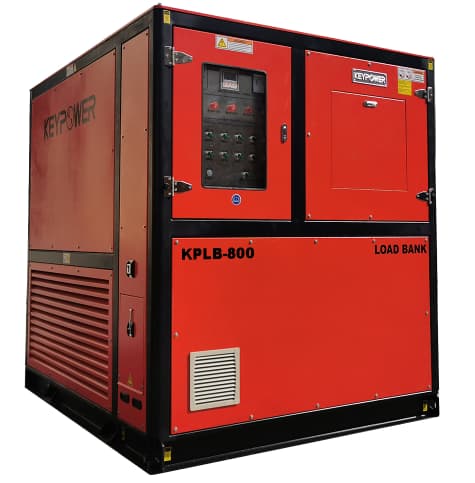
Generator load bank testing is a procedure that applies a controlled electrical load to a generator to evaluate its operating performance. A load bank simulates the demand that electrical equipment would normally place on the generator, allowing technicians to test the power source without relying entirely on the actual facility load.
During testing, technicians can monitor output voltage, frequency, current, active power, and other operating parameters. Depending on the equipment and test objectives, they may also evaluate engine temperature, oil pressure, fuel consumption, exhaust conditions, and the generator's response to load changes.
For standby diesel generators, load bank testing is particularly useful because these units may spend long periods running at light loads or remaining idle. A controlled test helps identify performance issues that may not appear during a simple startup inspection.
KEYPOWER provides resistive load bank solutions for generator testing. The appropriate configuration depends on the generator rating, electrical characteristics, operating environment, and required test conditions.
Load bank testing helps establish whether a generator can perform under defined operating conditions rather than simply confirming that it starts. Its main benefits include the following.
For critical facilities, including hospitals, industrial plants, and data centers, this information supports maintenance planning and helps reduce the risk of unexpected power failure. KEYPOWER also discusses generator testing in its data center power solutions, where backup power reliability is especially important.
The exact testing sequence depends on the generator manufacturer's instructions, the applicable standards, the load bank design, and the commissioning or maintenance requirements. The following procedure provides a general framework for planned testing.
Before applying a load, review the generator nameplate, rated output, voltage, frequency, phase configuration, and permitted operating conditions. Confirm whether the test is intended to verify standby performance, continuous operation, commissioning requirements, or maintenance condition.
Inspect the generator, load bank, cables, connectors, protective devices, and grounding arrangements. Check the engine fluids, cooling system, fuel supply, and starting battery according to the manufacturer's instructions.
Verify that the load bank's rated capacity and electrical configuration are suitable for the generator. The test location must also provide adequate ventilation, safe exhaust discharge, sufficient cooling airflow, and controlled access for personnel.
Before connecting equipment, isolate the relevant electrical circuits and follow the approved lockout/tagout and electrical safety procedures. Connections and switching operations must be performed by qualified personnel using the equipment manufacturer's instructions.
Start the generator according to the manufacturer's operating procedure and allow it to reach the specified operating condition. Before applying a significant load, record the initial voltage, frequency, engine temperature, oil pressure, and any other required baseline measurements.
Confirm that the generator operates normally and that no active alarms, abnormal vibration, unusual exhaust conditions, or fluid leaks are present. If an abnormal condition is detected, investigate it before continuing.
Baseline measurements provide a reference for evaluating changes during the subsequent load steps. They are also useful when comparing test results over time.
Once the initial checks are complete, connect the load bank using the approved electrical connection procedure. Confirm the wiring configuration, phase sequence where applicable, rated voltage, and protective settings before applying the load.
A common illustrative test sequence uses load steps of 25%, 50%, 75%, and 100% of the generator's rated active power. These percentages are examples, not universal requirements. The actual sequence, duration at each step, and maximum test load must follow the generator manufacturer's instructions and the approved test plan.
| Illustrative load step | Main checks |
|---|---|
| 25% load | Initial response, voltage, frequency, and abnormal operating conditions. |
| 50% load | Output stability, current balance, and engine operating condition. |
| 75% load | Thermal behavior, voltage regulation, frequency stability, and fuel system performance. |
| 100% load | Rated-load capability and compliance with specified performance limits. |
At each step, allow the generator to stabilize for the period defined in the test plan. Record the actual load, voltage, frequency, current, and relevant engine parameters before increasing the load further.
Do not automatically apply a 110% overload. Overload testing should only be performed when the generator and load bank are explicitly rated for the required condition and the applicable procedure permits it.
For higher-capacity systems, selecting a load bank with suitable power ratings and control capabilities is essential. Explore KEYPOWER's 800 kW load bank testing options to review an example of the available capacity range.
Once each load step is applied, monitor the electrical output and engine operating condition throughout the required test period. The goal is not simply to reach the target load, but to verify that the generator maintains acceptable performance while operating at that load.
Important measurements include:
Acceptance limits should come from the generator's specifications, the applicable test standard, and the commissioning or maintenance requirements. There is no single voltage deviation or temperature threshold that is suitable for every generator model.
After completing the planned test, reduce the load in the sequence specified by the test procedure. Disconnect the load bank using the approved switching method and allow the generator to cool down or run unloaded when required by the manufacturer.
Follow the prescribed shutdown procedure, isolate the equipment, and verify that all components are safe to inspect. Do not disconnect cables or open electrical enclosures while energized.
Once the system has been safely shut down, inspect the connections, cables, ventilation paths, and equipment for signs of overheating or damage. Any abnormal findings should be documented and addressed before the generator returns to service.
A useful load bank test report should show how the generator performed at each load level and whether the measured values met the applicable acceptance criteria.
| Parameter | What it helps evaluate |
|---|---|
| Voltage | Voltage regulation and output stability. |
| Frequency | Engine speed regulation and response to load changes. |
| Current and power | Actual electrical demand and phase loading. |
| Temperature and oil pressure | Engine cooling and lubrication performance. |
| Load response and recovery time | How the generator responds to load application and removal. |
If a measurement falls outside its specified limit, review the recorded data and investigate the cause before declaring the test successful. Potential issues may involve the voltage regulator, engine speed control, cooling system, fuel supply, electrical connections, or generator loading configuration.
A successful test should be supported by documented measurements and an explicit comparison against the applicable acceptance criteria. Simply reaching 100% load does not, by itself, establish that every aspect of generator performance is satisfactory.
The correct load bank depends on the generator's rated output, the type of electrical load to be simulated, the test duration, and the site conditions.
KEYPOWER offers resistive load banks and inductive load bank solutions for different testing requirements. The final selection should be based on the required test conditions rather than power rating alone.
Even when the correct equipment is available, poor test planning can produce unreliable results or create avoidable safety risks.
A consistent procedure, qualified personnel, suitable equipment, and a complete test report help make generator load bank testing more reliable and repeatable.
Testing frequency depends on the generator manufacturer's recommendations, applicable regulations, operating conditions, and the facility's maintenance plan. Critical standby systems may have specific inspection and testing schedules. Follow the requirements applicable to the installation rather than assuming that one interval fits every generator.
A common illustrative sequence is 25%, 50%, 75%, and 100% of rated active power. The actual load steps and holding times depend on the test objective, generator specifications, applicable standards, and approved procedure.
There is no universal test duration. The required time depends on the generator rating, the purpose of the test, the operating load, thermal stabilization requirements, and applicable acceptance criteria. Follow the manufacturer's instructions and the approved test plan.
Yes. A suitably rated resistive load bank can apply a controlled active electrical load to a diesel generator. It can help verify active power output and evaluate voltage, frequency, and engine behavior under load. Additional equipment or a combined load bank may be required when reactive power performance must also be tested.
A report should identify the generator and load bank, record the test conditions and load steps, document voltage, frequency, current, power, relevant engine readings, and any alarms or abnormal observations, and compare the results with the applicable acceptance criteria. The report should also record the final test outcome and any recommended corrective actions.
A well-planned generator load bank testing procedure helps verify power output, evaluate operating stability, and identify potential problems before a generator is called upon to support critical loads. The most reliable results come from suitable equipment, controlled load application, accurate measurements, and clearly defined acceptance criteria.
For generator manufacturers, maintenance teams, contractors, and facility operators, selecting the right load bank is an important part of this process. Explore KEYPOWER power equipment solutions or contact the team to discuss load bank capacity, electrical configuration, and testing requirements for your application.



 IPv6 network supported
 English
 English
 français
 Deutsch
 русский
 español
 português
 Nederlands
 العربية
 Polski
 中文